Guide To Choosing The Right Charity Fundraising Approach
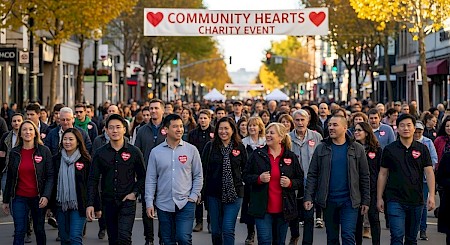
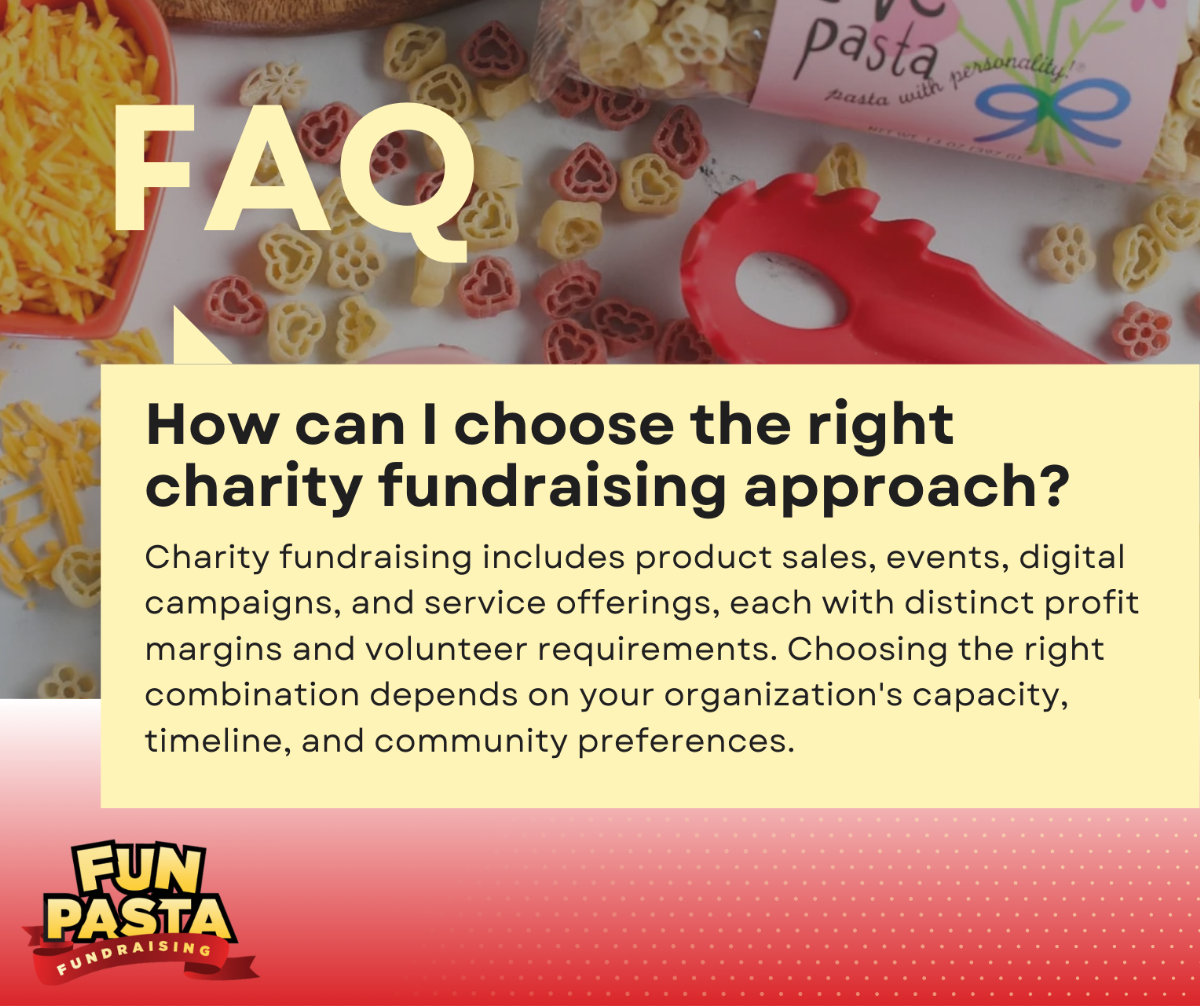
Charity fundraising includes product sales, events, digital campaigns, and service offerings, each with its own profit margins and volunteer demands. Choosing the right mix depends on your organization’s capacity, timeline, and what resonates with your community.
Here are the key approaches you need to understand:
- Product-based fundraising, like Fun Pasta Fundraising, offers consistent profits with minimal storage and distribution challenges
- Event-driven fundraising can generate high revenue but requires significant volunteer coordination
- Digital strategies expand your reach with lower overhead and easy sharing
- Service-based fundraising builds strong community ties while producing steady, hands-on income
Many fundraising efforts fall short because of poor strategy selection. Keep reading to learn how Fun Pasta Fundraising fits into a high-return approach that reduces stress and maximizes results.
Product-Based Fundraising Methods
Product-based charity fundraising offers organizations a tangible way to generate revenue while providing supporters with items they actually want to purchase.
These campaigns typically involve selling food products, household items, or specialty goods where your organization earns a percentage of each sale.
What Food Products Work Best for Fundraising?
Food items consistently rank among the most successful fundraising products because they appeal to a broad audience and create repeat customers. Popular options include:
High-Demand Food Products:
- Pasta and sauce combinations
- Gourmet cookies and baked goods
- Flavored popcorn varieties
- Coffee and tea blends
- Specialty sauces and seasonings
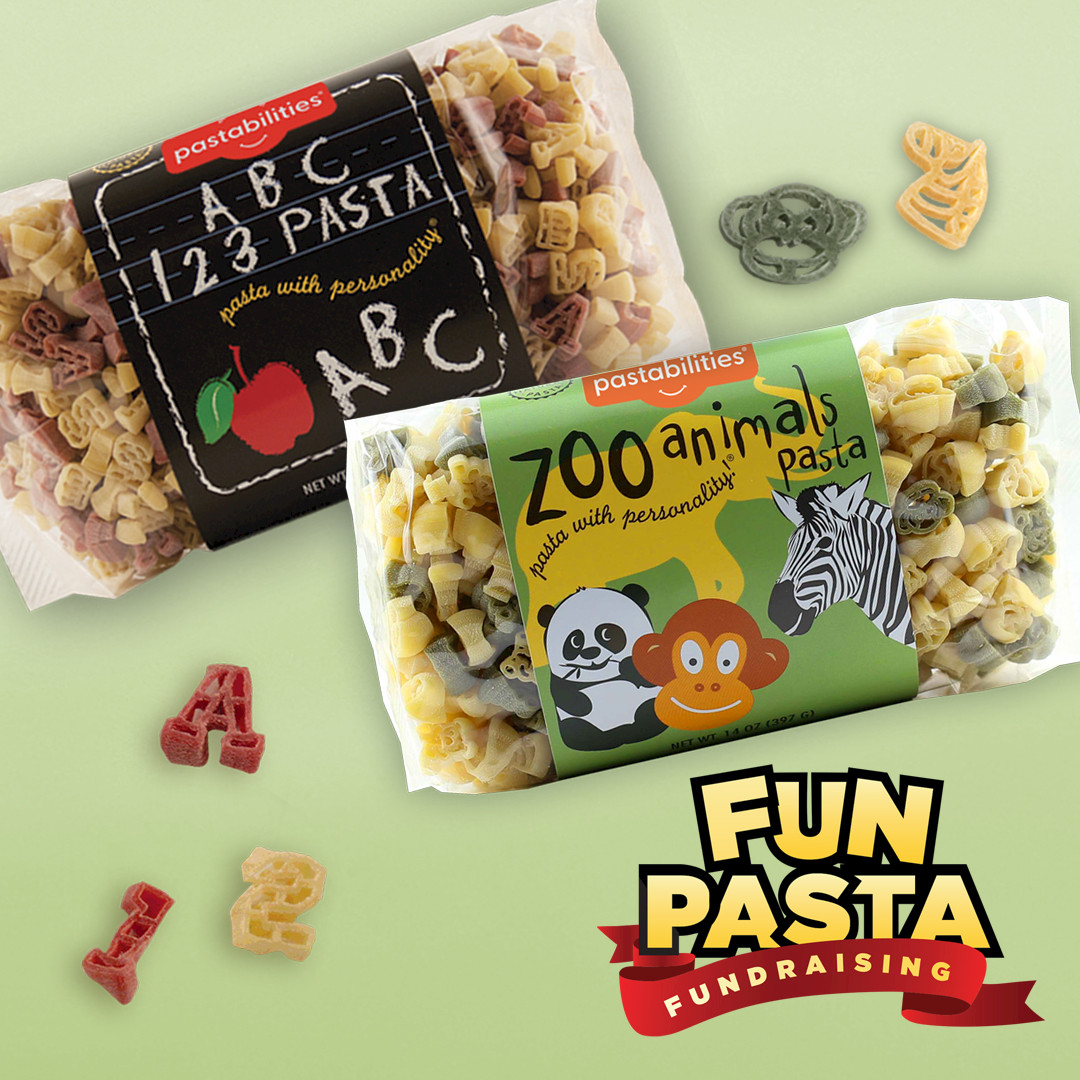
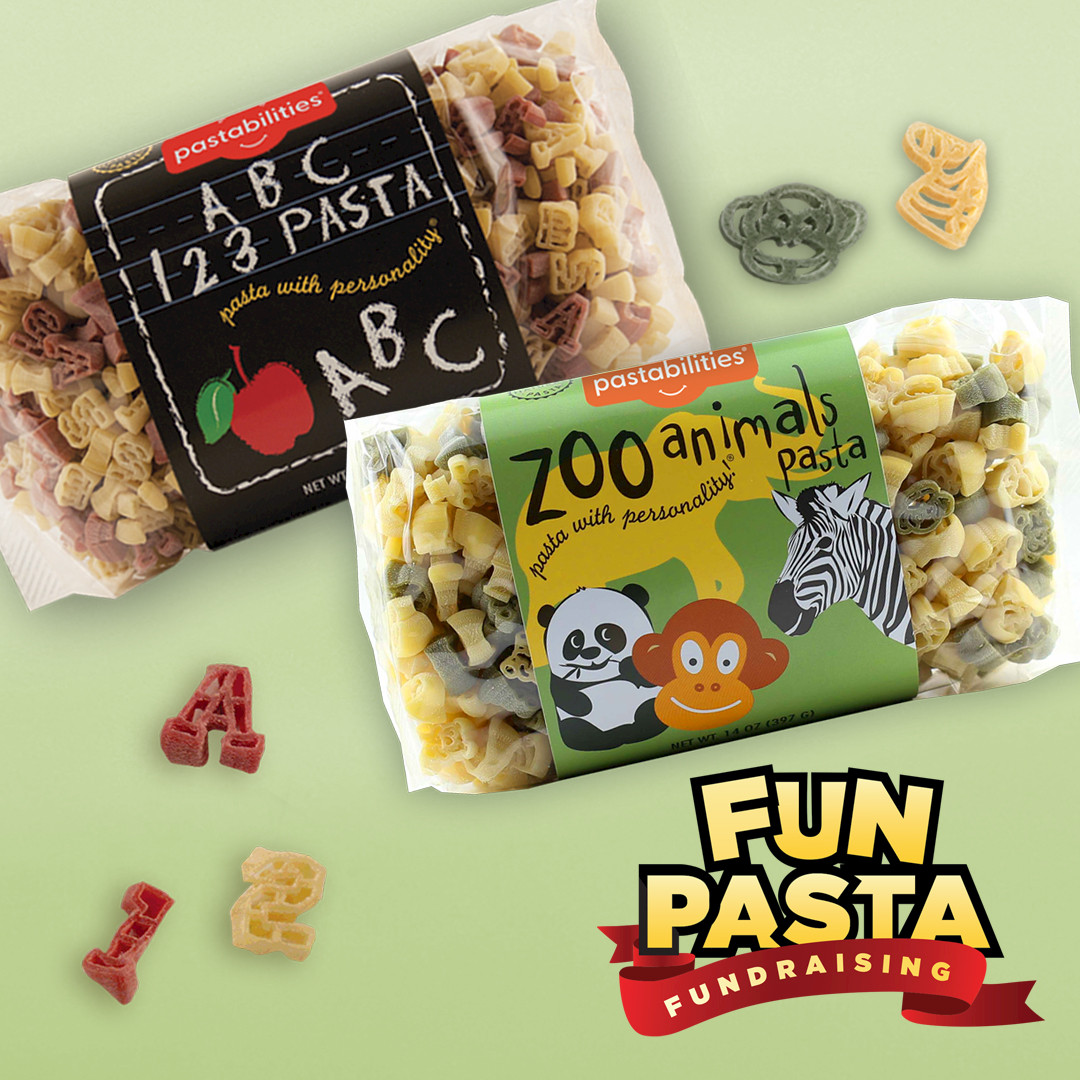
Many organizations have found lasting success with Fun Pasta Fundraising. Families use pasta regularly, so the purchase feels practical, not just charitable. Our fun-shaped, shelf-stable pasta makes it easy for supporters to buy more than once while helping your group raise serious funds.
Should You Choose Perishable or Non-Perishable Products?
Non-perishable items eliminate the biggest logistical headaches that cause volunteer burnout in charity fundraising campaigns. Here’s why this choice matters:
Non-Perishable Advantages:
- No refrigeration requirements during storage or delivery
- Extended selling periods without spoilage concerns
- Simplified distribution logistics for volunteers
- Reduced financial risk from unsold inventory
Perishable Product Challenges:
- Require immediate delivery after production
- Need temperature-controlled storage space
- Create time pressure that stresses volunteers
- Higher waste costs from expired products
Fun Pasta Fundraising offers a non-perishable solution that avoids all of these complications. Our pasta products are shelf-stable, made in the USA, and easy to store and distribute, making your fundraiser simpler, safer, and more profitable.
How Do Profit Margins Compare Across Product Types?
Understanding profit margins helps you choose products that maximize your fundraising return while minimizing volunteer effort:
Typical Profit Margin Ranges:
- Food products: up to 50% profit margins
- Household items: 30-40% profit margins
- Gift items: 35-45% profit margins
- Specialty products: 45-60% profit margins
The key is finding products that sell themselves. When customers genuinely want the items, volunteers spend less time convincing people to buy and more time taking orders from eager purchasers.
What Storage and Distribution Requirements Should You Expect?
Storage Space Considerations:
- Calculate 2-3 cubic feet per participant for most food products
- Ensure dry, temperature-controlled environment
- Plan accessible loading areas for delivery trucks
- Designate sorting space for individual order preparation
Distribution Logistics:
- Schedule delivery during school/organization hours when volunteers are available
- Create simple sorting systems using participant lists
- Establish clear pickup times and locations for customers
- Prepare backup plans for volunteers who cannot fulfill distribution duties
Fun Pasta Fundraising simplifies the entire process. Our pasta products are shelf-stable, easy to store, and arrive pre-packed for fast, stress-free distribution. This makes it easier for coordinators to stay organized and for volunteers to stay involved.
Event-Driven Fundraising Approaches

Event-based charity fundraising creates memorable experiences while generating revenue, making it one of the most engaging ways to connect with your community. These approaches combine social interaction with fundraising goals, often yielding higher per-person donations than traditional methods while building lasting relationships with supporters.
The key to successful event fundraising lies in matching your event type to your audience’s preferences and your organization’s capacity. Consider your volunteer availability, budget constraints, and community demographics when selecting your approach.
What Makes Auctions and Silent Auctions So Effective?
Auctions tap into competitive psychology while offering supporters tangible value for their donations. Traditional live auctions work best for high-value items and experienced auctioneers, while silent auctions allow shy bidders to participate comfortably.
Live Auction Best Practices:
- Limit items to 8-12 high-value pieces ($200+ value)
- Start bidding at 30-40% of retail value
- Use professional auctioneers for items over $500
- Create compelling item descriptions with stories
Silent Auction Advantages:
- Accommodate 50+ items without time constraints
- Allow multiple people to bid on similar items
- Work well with donated gift certificates and experiences
- Generate steady revenue throughout your event
We’ve seen organizations raise 40-60% more by combining unique local experiences with practical items that families actually want.
How Do Galas and Dinner Events Build Major Donor Relationships?
Formal dinner events excel at cultivating major donors and corporate sponsors while showcasing your organization’s impact. These events typically generate the highest per-person revenue but require significant upfront investment and planning time.
Revenue Streams for Dinner Events:
- Ticket sales ($75-$300 per person)
- Corporate table sponsorships ($1,000-$10,000)
- Live auction during dinner program
- Fund-a-need appeals for specific projects
Plan for 6-8 months of preparation time and budget 30-40% of expected revenue for venue, catering, and entertainment costs.
Why Do Athletic Events Create Lasting Community Connections?
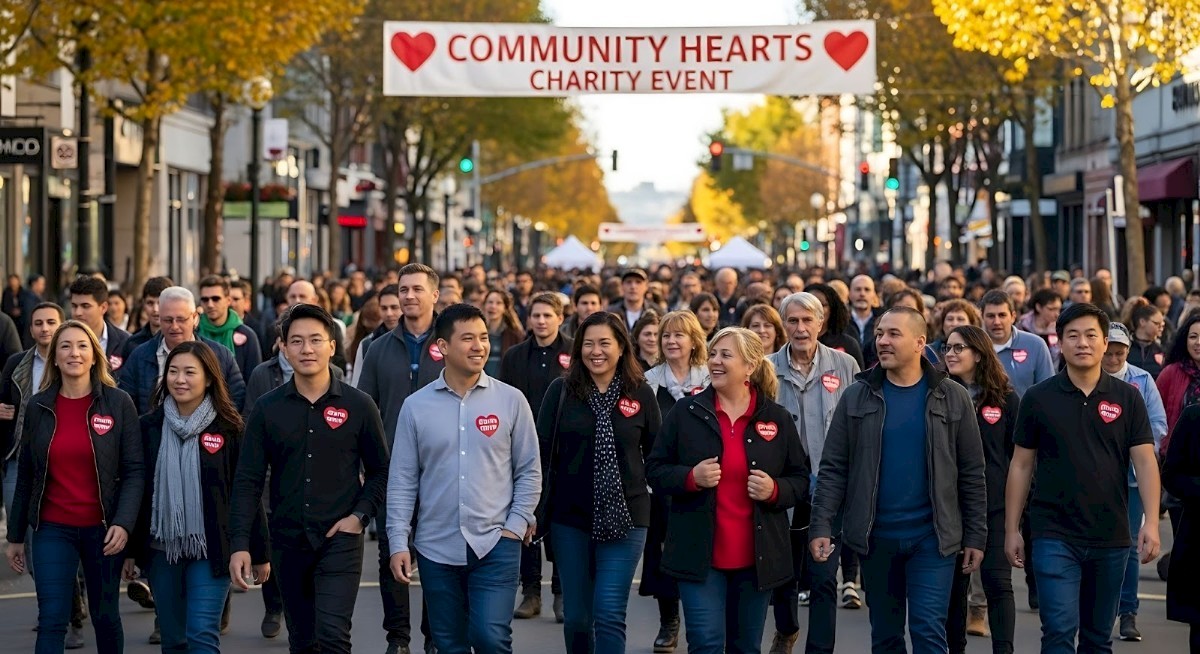
Fun runs, walks, and cycling events combine fitness trends with fundraising while attracting participants who might not attend traditional charity events. These events build community visibility and often generate recurring annual participation.
Athletic Event Revenue Sources:
- Registration fees ($25-$75 per participant)
- Corporate sponsorships for race materials
- T-shirt and merchandise sales
- Post-race vendor booths and food sales
Athletic events typically require 4-6 months planning time but create excellent opportunities for local business partnerships and media coverage.
What Makes Community Festivals and Fairs So Profitable?
Community festivals generate revenue through multiple streams while celebrating your cause with family-friendly activities. These events work exceptionally well for schools and youth organizations because they engage entire families.
Festival Revenue Opportunities:
- Vendor booth rental fees
- Food and beverage sales
- Game and activity tickets
- Raffle and prize wheel sales
- Craft and merchandise booths
The key to festival success lies in creating activities that appeal to different age groups while maintaining focus on your fundraising message throughout the event.
Digital and Online Fundraising Strategies
Digital charity fundraising has revolutionized how organizations connect with donors and raise funds efficiently. Online platforms eliminate geographical barriers and allow supporters to contribute instantly, making these strategies essential for modern fundraising success.
How do crowdfunding platforms maximize your fundraising reach?
Crowdfunding platforms like GoFundMe, Kickstarter, and Facebook Fundraisers provide built-in audiences and sharing capabilities that amplify your campaign’s visibility. These platforms work best when you tell compelling stories with visual elements.
Set up your crowdfunding campaign with these essential elements:
- Clear, specific funding goal with breakdown of how money will be used
- High-quality photos or videos showing your cause in action
- Regular updates posted every 3-5 days to maintain momentum
- Personal thank-you messages for each donation level
- Social sharing buttons prominently displayed
The key to crowdfunding success lies in starting with your inner circle. Reach 30% of your goal through family and friends before launching publicly, as this creates social proof that encourages stranger donations.
Can online product sales boost your fundraising revenue?
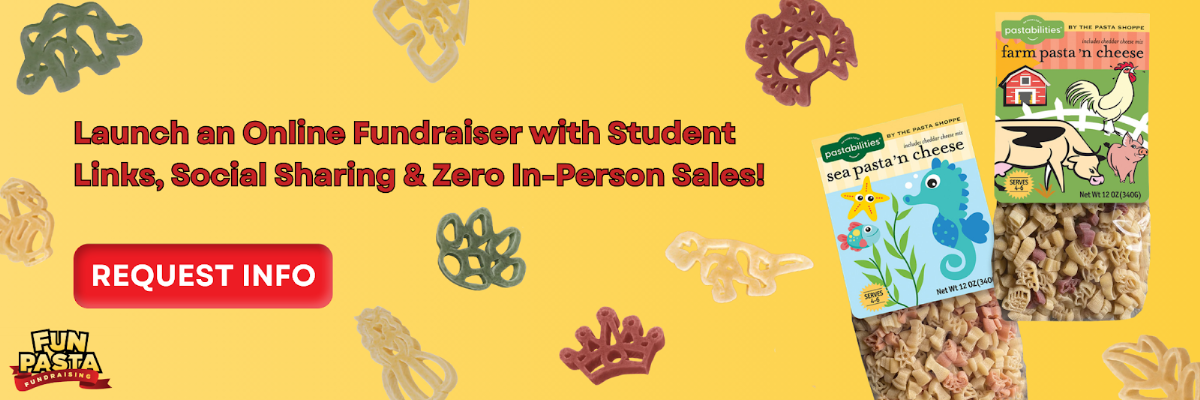
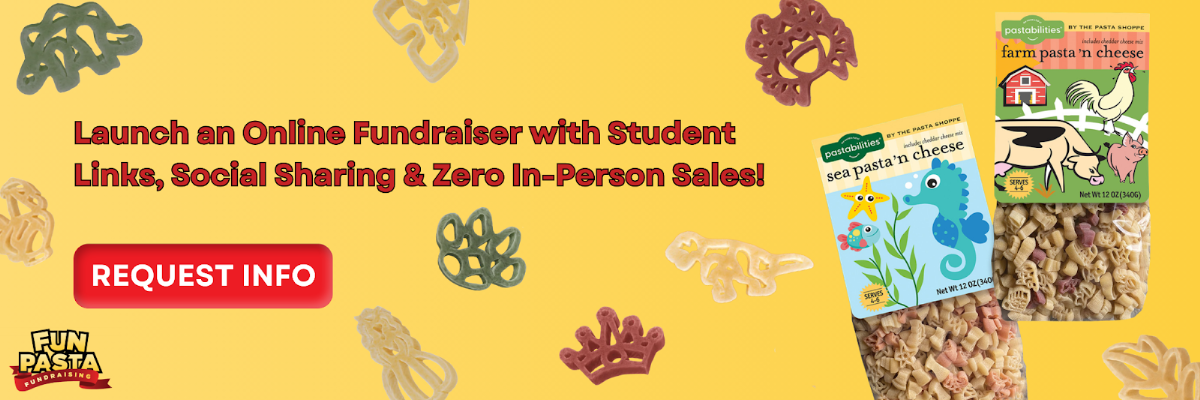
Yes, they can. When you choose the right product, online fundraising offers consistent revenue and gives supporters something of real value in return. It works especially well for schools and nonprofits looking for a sustainable way to raise money beyond one-time donations.
That is why so many organizations trust Fun Pasta Fundraising. Our specialty pasta products are made in the USA, shelf-stable, and easy to ship. With up to 50 percent profit margins and no refrigeration or complicated logistics, our program helps groups raise more money with less hassle. The products are fun, family-friendly, and easy to sell. Volunteers appreciate how simple the process is, and supporters genuinely enjoy what they receive.
If you are considering online fundraising, keep these success factors in mind:
- Profit margins of up to 40 percent% to make the effort worthwhile
- Products that do not require refrigeration or special storage
- Broad appeal to families, neighbors, and the wider community
- High-quality items that reflect positively on your organization
- A proven fundraising partner with strong support and reliability
Fun Pasta Fundraising delivers on all of these points. When combined with traditional efforts such as in-person sales or school events, our online platform expands your reach and helps you raise more with less stress.
Request info today and see how our pasta fundraisers can help you grow your revenue and strengthen supporter engagement.
Hybrid and Creative Fundraising Combinations
Most successful charity fundraising campaigns combine multiple approaches rather than relying on a single method.
Smart organizations blend traditional events with digital outreach, seasonal campaigns with year-round efforts, and community partnerships with direct sales to maximize their impact and revenue potential.
How do you create an effective seasonal fundraising calendar?
The key to seasonal success lies in mapping your campaigns to natural buying patterns and community rhythms. Start by identifying four major fundraising windows throughout the year, then build complementary activities around each season.
Effective seasonal calendar structure:
- Fall (September-November): Back-to-school product sales, harvest festivals, and holiday preparation campaigns
- Winter (December-February): Holiday gift sales, year-end giving drives, and winter comfort products
- Spring (March-May): Spring cleaning events, Mother’s Day campaigns, and graduation celebrations
- Summer (June-August): Community festivals, vacation-themed events, and preparation for fall campaigns
Plan each season 3-4 months in advance, allowing time for volunteer recruitment, product ordering, and marketing preparation. This timeline prevents last-minute stress and ensures adequate promotion for each campaign.
What makes multi-method campaigns more successful than single approaches?
Multi-method campaigns work because they reach different donor preferences and multiply your touchpoints with supporters.
Some people prefer online giving, others enjoy attending events, and many appreciate purchasing useful products that support your cause.
Proven combination strategies:
- Pair product sales with social media contests to boost engagement
- Combine silent auctions with live entertainment for higher attendance
- Link service fundraisers with corporate sponsorship opportunities
- Connect seasonal events with ongoing monthly giving programs
How do community partnerships amplify your fundraising results?
Strategic partnerships multiply your reach without increasing volunteer workload. Local businesses, service clubs, and other nonprofits can provide venues, promotional support, and additional volunteer power for your campaigns.
Partnership opportunities to explore:
- Restaurant partnerships for percentage nights or catering services
- Retail partnerships for product placement and cross-promotion
- Corporate partnerships for employee giving programs and matching gifts
- School partnerships for family engagement and volunteer coordination
The most effective partnerships create win-win situations where both organizations benefit from increased visibility and community engagement.
Should you focus on year-round fundraising or single-event strategies?
Year-round strategies typically generate more sustainable revenue, but they require consistent volunteer engagement and organizational capacity. Single-event approaches can work well for smaller organizations or those with limited volunteer availability.
Year-round advantages:
- Steady cash flow throughout the year
- Multiple opportunities to engage different donor segments
- Reduced pressure on any single campaign
- Better volunteer retention through varied activities
Single-event benefits:
- Concentrated volunteer effort and community focus
- Lower ongoing administrative burden
- Easier to manage with limited organizational capacity
- Can create powerful annual traditions
The best approach depends on your organization’s volunteer capacity, financial needs, and community engagement goals. Many successful organizations start with one strong annual campaign, then gradually add complementary activities throughout the year.
Ready to Launch Your Fundraiser?
Running a successful fundraiser means finding the right balance between profit potential and volunteer effort. Many groups struggle with products that spoil, complex logistics, or low participation that drains energy and reduces results.
That is why we created Fun Pasta Fundraising. Our program features a wide variety of fun-shaped, made-in-the-USA pasta products that require no refrigeration, eliminate storage issues, and offer up to 50 percent profit margins.
Request info today to see how Fun Pasta can help you raise significant funds with a simple system that keeps your volunteers engaged and your coordination stress-free.
FAQ
How Do You Assess Your Volunteer Capacity Realistically?
Start by counting your active volunteers, not your membership list. Most organizations overestimate their volunteer capacity by 40-50%.
Volunteer Capacity Assessment Checklist:
- Count volunteers who participated in your last 3 activities
- Identify 2-3 key coordinators who can manage logistics
- Determine how many hours volunteers can realistically commit
- Consider seasonal availability (avoid busy school/work periods)
Product-based fundraising like pasta sales requires minimal volunteer time compared to events. We’ve seen organizations successfully run campaigns with just 5-10 active volunteers because the products sell themselves and require no refrigeration or complex storage.
What’s Your Real Profit Potential Analysis?
Different fundraising approaches offer vastly different profit margins. Calculate both gross profit and net profit after volunteer time costs.
High-Profit Fundraising Options:
- Product sales: 40-50% profit margins with minimal overhead
- Digital campaigns: 85-95% profit but require marketing skills
- Service offerings: 60-70% profit but labor-intensive
- Events: 30-40% profit with high volunteer requirements
Consider upfront costs carefully. Many organizations choose product fundraising because there’s no initial investment, and customers pay directly rather than requiring the organization to front money.
What Community Preferences Should Drive Your Decisions?
Your community’s demographics and buying habits determine which approaches will succeed. Rural communities often prefer product sales, while urban areas may respond better to digital campaigns or events.
Community Assessment Questions:
- What age groups dominate your supporter base?
- Do supporters prefer convenience or hands-on involvement?
- What’s the average household income in your area?
- Which local businesses might partner or sponsor activities?
We’ve found that communities consistently respond well to high-quality, American-made products that offer genuine value. When supporters feel good about their purchase beyond just helping your cause, participation rates increase significantly.
The key is matching your organization’s strengths with your community’s preferences while maintaining realistic expectations about volunteer capacity and profit potential.