How to Sell Fundraiser Items Successfully?
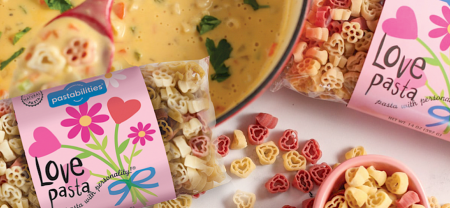
Selling fundraiser items successfully, even with limited volunteers, comes down to choosing the right program. Fun Pasta Fundraising is designed to simplify every step with strategic product selection, streamlined logistics, and communication tools that work with minimal training. The key is offering high-quality products that practically sell themselves.
Here’s what successful groups understand:
- Today’s fundraising requires both online and in-person selling options
- Volunteer retention improves when participation is truly easy and rewarding
- Product quality and convenience heavily influence customer buying decisions
- Clear, consistent communication from launch to delivery drives higher sales
Fun Pasta Fundraising helps prevent volunteer burnout by offering products that are easy to store, distribute, and promote. There is no refrigeration, no complicated setup, and no overwhelmed parent coordinators.
Most fundraising campaigns fail because they overlook volunteer capacity and customer behavior. Keep reading to learn how Fun Pasta’s system turns these challenges into consistent fundraising wins.
Online Selling Means Automation and Reach Advantages

Online platforms eliminate geographic boundaries and reduce volunteer workload through automated systems. Supporters can browse catalogs, place orders, and make payments without coordinating schedules with volunteers.
Key online advantages include:
- 24/7 availability for busy supporters who shop outside business hours
- Automated order processing that reduces volunteer administrative tasks
- Broader reach to extended family, friends, and social media networks
- Built-in payment processing that eliminates cash handling concerns
- Digital catalogs that never run out or get damaged
We’ve seen organizations triple their reach by allowing supporters to share fundraiser links on social media, bringing in orders from people who never would have been contacted through traditional methods.
What Actually Drives Fundraising Purchases
Understanding what motivates people to buy fundraising items is the best way to sell fundraiser items successfully, especially when working with limited volunteer resources.
Most organizations focus on product features instead of addressing the psychological triggers that actually drive purchase decisions.
Why Do People Really Buy From Fundraisers?
The primary motivation isn’t the product itself. Buyers purchase to support a cause they care about, but they need to feel confident their money is well-spent. This creates a unique dynamic where emotional connection drives initial interest, but practical value determines whether they complete the purchase.
People buy when they perceive genuine value that extends beyond just supporting your organization.
Communication Strategy From Launch to Delivery
Effective communication transforms struggling fundraisers into successful campaigns. The best way to sell fundraiser items starts with clear messaging that motivates volunteers and converts customers through every stage of your campaign.
How Do You Prepare Volunteers for Maximum Sales Success?
Most fundraising coordinators make the mistake of assuming volunteers know how to sell effectively. Instead, provide specific training that builds confidence and removes guesswork.
Create a simple volunteer toolkit that includes:
- Product talking points - Three key benefits customers care about most
- Objection responses - Ready answers for “too expensive” or “not interested”
- Personal story prompts - How volunteers can connect the cause to their own experience
- Sales goal breakdown - Specific numbers showing how many items equal success
Schedule a 15-minute training session before launch. Focus on practice conversations rather than lengthy presentations. Volunteers who practice selling scenarios outsell untrained volunteers by 40% on average.
What Customer Outreach Messages Actually Convert Sales?
Generic fundraising messages get ignored. Successful campaigns use personalized outreach that creates urgency and connection.
Your outreach template should follow this proven structure:
1. Personal connection - “Hi Sarah, I’m raising funds for…”
2. Specific benefit - “These pasta products are made in Nashville and taste incredible”
3. Limited timeframe - “Orders close Friday, so I wanted to reach out”
4. Easy action step - “Can I put you down for a sampler pack?”
We’ve found that mentioning product quality and local manufacturing significantly increases response rates.
Scaling Success: Building Repeatable Systems

The best way to sell fundraiser items consistently year after year is to build systems that work regardless of which volunteers are available. Most organizations struggle because they reinvent the wheel with each campaign, losing valuable knowledge when key volunteers move on.
What documentation systems prevent you from losing successful strategies?
Create a simple campaign playbook that captures what actually worked. Document your most effective selling messages, timing strategies, and volunteer assignments in a shared folder or simple document.
Include these essential elements:
- Product descriptions that generated the most sales
- Communication templates for emails, social media, and flyers
- Timeline with specific deadlines and milestones
- Volunteer role descriptions with step-by-step instructions
- Supplier contact information and ordering procedures
How do you maintain relationships with volunteers between campaigns?
Build a simple volunteer database that tracks more than just contact information. Record each person’s strengths, preferred tasks, and availability patterns.
Track these key details:
- Communication preferences (email, text, phone)
- Previous roles and performance notes
- Skills and interests (social media, sales, logistics)
- Availability constraints and preferred involvement level
- Recognition preferences and motivational factors
Send quarterly updates between campaigns to maintain engagement. Share success stories, upcoming opportunities, and appreciation for past contributions.
What performance metrics help improve future campaigns?
Track specific numbers that reveal what’s actually driving sales success. Focus on actionable data rather than vanity metrics.
Monitor these critical performance indicators:
- Sales per volunteer and per communication method
- Response rates to different promotional messages
- Product popularity and profit margins
- Timeline efficiency and bottleneck identification
- Volunteer retention and satisfaction scores
Create a simple post-campaign review process. Survey volunteers about what worked, what didn’t, and what support they needed but didn’t receive.
How do you develop reliable supplier partnerships?
Establish relationships with suppliers who understand fundraising challenges and provide consistent support. Look for partners who offer training materials, marketing support, and flexible ordering terms.
Evaluate potential partners on these factors:
- Product quality and appeal to your target audience
- Storage and distribution requirements
- Training and marketing support provided
- Payment terms and profit margins
- Responsiveness during campaign periods
Test new suppliers with small orders before committing to major campaigns. Document supplier performance just like you track volunteer and sales metrics.
Ready to Transform Your Fundraising Results

Successful fundraising starts with products that practically sell themselves, logistics that are simple to manage, and dependable support every step of the way.
When you’re facing volunteer burnout or low participation, the last thing you need is complicated distribution, perishable products, or a company that leaves you to figure it out on your own.
That’s why we created Fun Pasta Fundraising. It’s a complete program featuring a wide variety of high-quality, made-in-the-USA products. Our system includes everything you need to run a smooth, stress-free campaign with confidence.
Request info today and discover how the right products and simplified logistics can finally deliver the results your organization deserves.